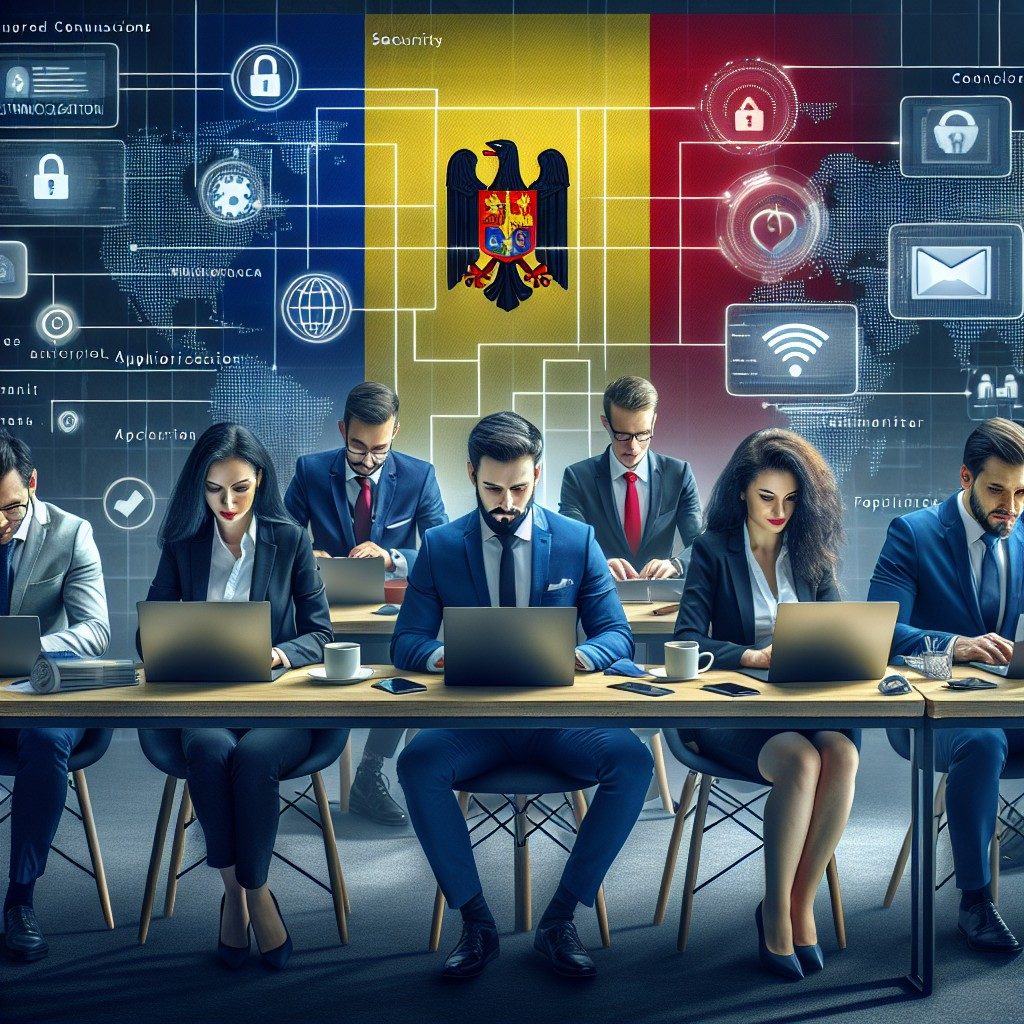
In the evolving landscape of work in Romania, remote teams have become increasingly common, bringing new challenges related to cybersecurity. Protecting sensitive information and maintaining secure communication channels is critical for organizations adapting to this mode of operation.
Understanding the Importance of Cybersecurity in Remote Work
The shift to remote work has expanded the attack surface for cyber threats, making cybersecurity an essential consideration for teams operating outside traditional office environments in Romania. Employees working remotely often rely on personal devices and networks that may not have enterprise-grade protections, increasing vulnerabilities. Consequently, ensuring proper safeguards can prevent data breaches and unauthorized access to company resources.
Implementing Strong Authentication Measures
Effective cybersecurity starts with robust authentication protocols. Remote teams should employ multi-factor authentication (MFA) to add an extra layer of security beyond standard passwords. MFA helps verify the identity of users accessing corporate systems, significantly reducing the risk of compromised accounts, especially in environments where employees connect through various devices and networks.
Securing Remote Connections with VPNs and Encrypted Communications
Virtual Private Networks (VPNs) continue to be a cornerstone of cybersecurity for remote teams in Romania. VPNs encrypt internet traffic, protecting data as it travels between the user and company servers. Organizations should ensure that all remote workers use reliable VPN services to maintain confidentiality and integrity during online communications. Additionally, using encrypted communication tools for emails and messaging can prevent interception by unauthorized individuals.
Regular Software Updates and Endpoint Security
Keeping software and operating systems up to date is a practical step that supports cybersecurity for remote teams. Updates often include critical security patches that address vulnerabilities discovered in applications and devices. Employers in Romania must encourage and, where possible, enforce timely updates. Moreover, deploying endpoint security solutions, such as antivirus and anti-malware programs, helps protect devices from malicious software that could compromise company data.
Training and Awareness for Remote Employees
Human factors remain a significant vulnerability in cybersecurity. Romanian organizations should prioritize ongoing training to raise awareness about common cyber threats like phishing attacks, social engineering, and unsafe online behaviors. Regular educational sessions tailored for remote teams can empower employees to recognize suspicious activities and handle sensitive information responsibly, forming a vital line of defense against cyber incidents.
Conclusion
As Romania’s workforce adapts to remote work, cybersecurity remains an indispensable focus for protecting organizational assets and personal data. Practical steps such as implementing strong authentication, securing connections, maintaining updated software, and continuous employee training contribute substantially to building a secure remote working environment. The proactive adoption of these measures will likely continue to be a priority as remote work practices persist and evolve.
Frequently Asked Questions about cybersecurity
What is the role of cybersecurity in remote work environments?
Cybersecurity in remote work environments ensures the protection of data and communication channels from unauthorized access and cyber threats, which is especially crucial when employees use varied devices and networks outside traditional offices.
How can Romanian remote teams improve their cybersecurity posture?
Romanian remote teams can improve cybersecurity by implementing multi-factor authentication, using VPNs for secure connections, keeping software up to date, and providing ongoing cybersecurity training for employees.
Why is multi-factor authentication important for cybersecurity?
Multi-factor authentication enhances cybersecurity by requiring users to provide multiple forms of verification before accessing systems, greatly reducing the risk of compromised accounts, particularly in remote work setups.
Are software updates significant for maintaining cybersecurity?
Yes, software updates are critical for maintaining cybersecurity because they often include patches that fix security vulnerabilities, protecting remote devices and networks from potential cyberattacks.
What are common cybersecurity threats faced by remote teams in Romania?
Common cybersecurity threats include phishing attacks, malware infections, unsecured networks, and social engineering attempts, which target vulnerabilities often present in remote working environments.