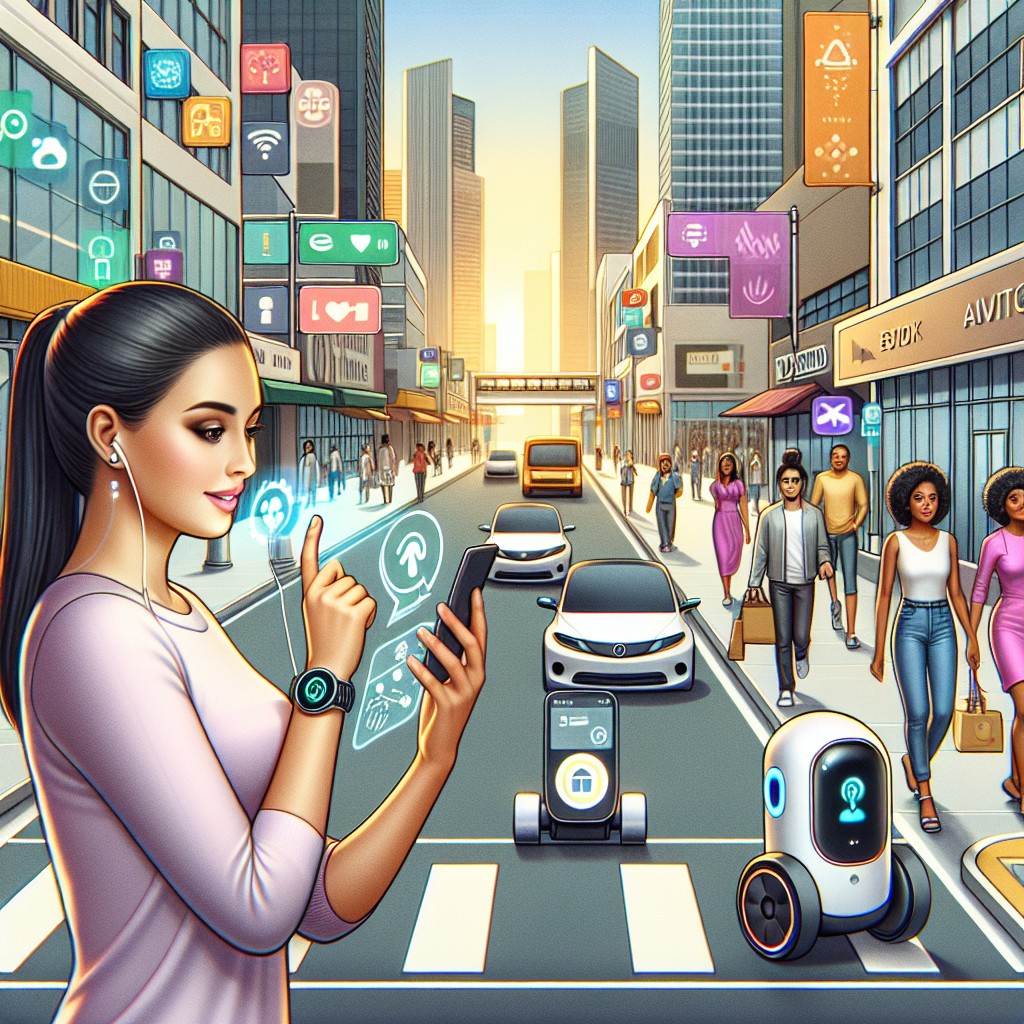
Artificial intelligence (AI) is rapidly transforming various aspects of daily life, moving beyond specialized industries into widespread consumer use. Everyday AI tools are becoming increasingly accessible and integrated, providing convenience, efficiency, and enhanced experiences for users across the globe.
Smart Assistants Evolving for Routine Tasks
Voice-activated smart assistants such as Amazon Alexa, Google Assistant, and Apple’s Siri now perform more nuanced functions, assisting with scheduling, reminders, home automation, and information retrieval. Advances in natural language processing allow these assistants to understand complex queries and respond with contextual relevance, making them indispensable tools for managing day-to-day activities.
AI in Personalized Healthcare
Everyday AI tools are making healthcare more personalized and proactive. Wearable devices equipped with AI algorithms monitor vital signs in real-time, detect anomalies, and provide data-driven health insights. These devices help individuals track fitness goals and detect early signs of conditions such as heart arrhythmias or sleep disorders. Integration with telemedicine platforms further enhances accessibility to medical advice.
Enhanced Customer Service with AI Chatbots
Businesses have increasingly adopted AI-powered chatbots to handle customer inquiries, reducing wait times and providing round-the-clock support. These chatbots use machine learning to understand customer issues and offer tailored solutions promptly. As their capabilities improve, AI chatbots contribute to smoother customer experiences and higher satisfaction.
Automation in Daily Finances
Financial management has benefited from everyday AI tools through apps that offer budgeting assistance, fraud detection, and investment advice. These AI-driven applications analyze spending patterns, alert users to unusual transactions, and provide insights for smarter money management. This integration simplifies financial decision-making for users without requiring expert knowledge.
AI in Home and Urban Environments
AI technology is also facilitating smarter homes and cities. Home automation systems utilize AI to optimize energy consumption by learning residents’ routines and adjusting heating, lighting, and appliances accordingly. Urban AI applications include traffic management and public safety monitoring. These implementations contribute to improved sustainability and quality of life.
In summary, the increasing deployment of everyday AI tools highlights their growing role in simplifying and improving routine tasks. As these tools become more sophisticated and seamlessly integrated into daily environments, their usage will feel increasingly natural to the average user. The ongoing development and adoption of AI technologies are expected to make such tools a standard component of everyday life worldwide.
Frequently Asked Questions about everyday AI tools
What are everyday AI tools and how are they used?
Everyday AI tools refer to artificial intelligence applications designed to assist with daily activities, such as virtual assistants, smart health devices, customer service chatbots, and financial management apps. These tools help increase efficiency and convenience in routine tasks.
How does AI improve personal health monitoring?
AI enables real-time analysis of health data collected through wearable devices, providing personalized insights, early detection of potential issues, and facilitating communication with healthcare providers. This makes monitoring health more proactive and accessible through everyday AI tools.
Are everyday AI tools secure to use in personal finance?
AI tools used in finance employ advanced encryption and fraud detection technologies to protect user data and transactions. While no system is entirely risk-free, regulated applications prioritize security to safeguard users’ financial information.
Can AI chatbots replace human customer service?
AI chatbots handle many routine customer service inquiries efficiently, offering 24/7 assistance. However, complex issues often require human interaction. AI complements rather than fully replaces human agents in customer service.
What impact will everyday AI tools have on future lifestyles?
Everyday AI tools are anticipated to become more integrated and intuitive, leading to smoother management of daily activities, enhanced personalized experiences, and smarter environments. Their growing adoption suggests a future where AI is a ubiquitous part of everyday life.